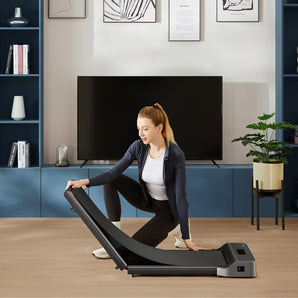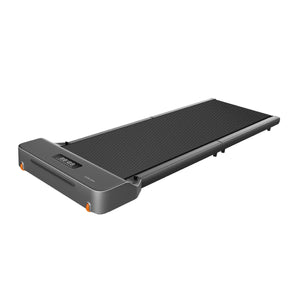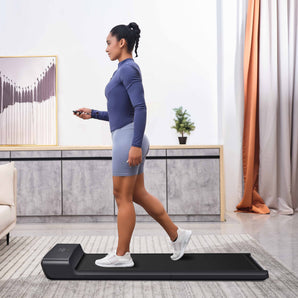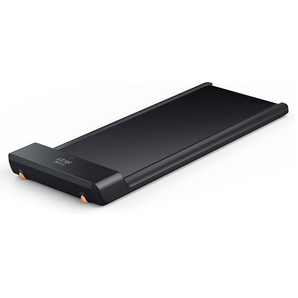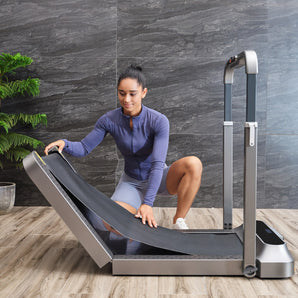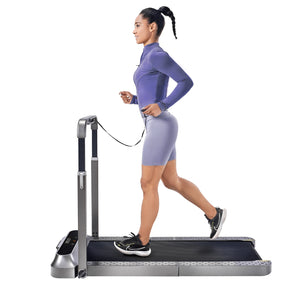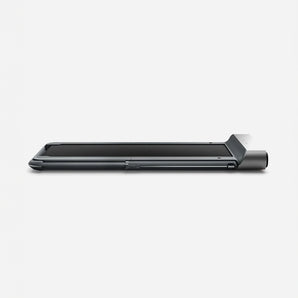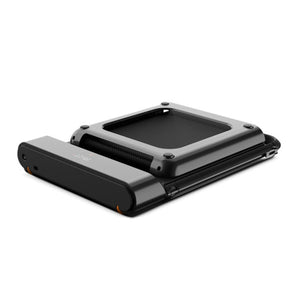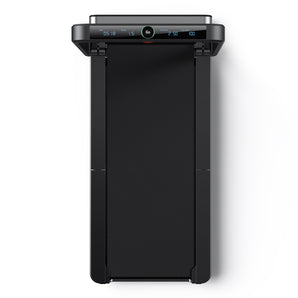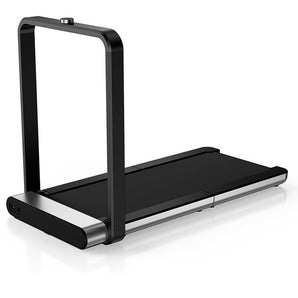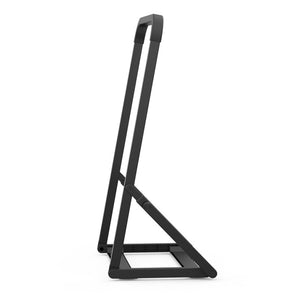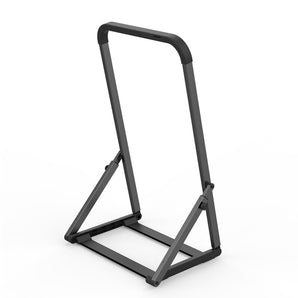

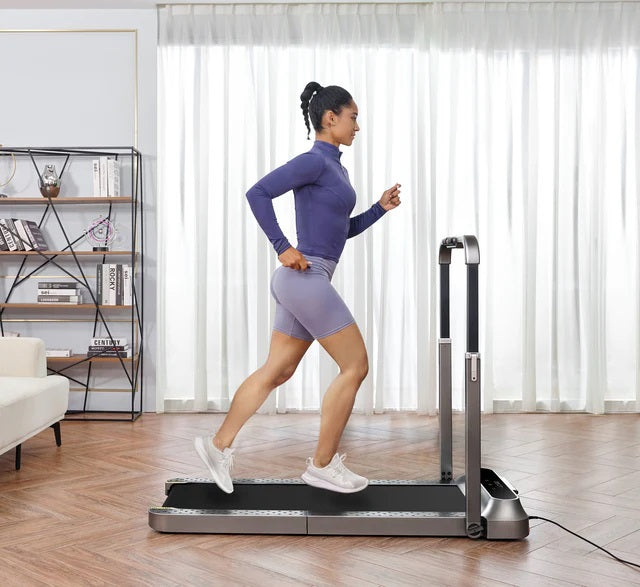
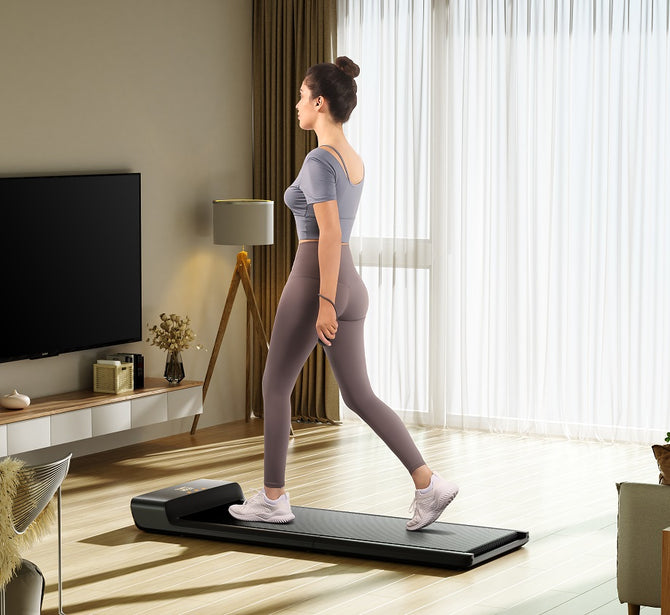




You start running by building up calmly and alternating running with walking, so your body gets used to the load. With the right choices about pace, frequency and build-up, you keep it up longer and reduce the risk of injuries. If it's wet or dark outside, you can just as well do your first rounds indoors on a foldable treadmill.
How do you start running as a beginner?
You start running as a beginner by alternating running and walking and keeping the pace low. This run-walk method lets your heart, lungs and muscles adapt without overloading them.
Start with short running blocks, for example one minute of running followed by two minutes of walking, and repeat that a number of times. As the weeks progress, you make the running sections longer and the walking breaks shorter. Speed doesn't play a role in the beginning; the goal is to make movement a habit and keep it up.
What do you need to start running?
To start running you need little: a pair of good running shoes and comfortable sportswear are most important. Shoes with sufficient cushioning and support absorb part of the impact and reduce the risk of complaints.
Choose your clothing based on the weather, with layers you can easily put on and take off. A running app or a schedule for beginners helps you track your build-up and not do too much too quickly. If you want to train regardless of the weather, a treadmill at home is a practical option to make your first kilometers.
How long and how often per week should you run as a beginner?
As a beginner you run two to three times per week, with at least one rest day between training sessions. Twice a week is enough for most starters to build fitness while recovering sufficiently.
Allow twenty to thirty minutes per training, including a short warm-up and cool-down with walking. The Health Council advises adults to exercise at moderate intensity for at least 150 minutes weekly, and running helps you fill in a significant part of that. Build up the duration gradually and listen to your body.
How many kilometers do you run as a beginning runner?
As a beginning runner, you calmly build up to approximately three to five kilometers in the first weeks. In the beginning, don't focus on distance or pace, but on the time you're in motion.
With the run-walk method you work step by step towards longer continuous sections. Many beginner schedules bring you to five kilometers in one go in eight to ten weeks, with two training sessions per week. The kilometers follow naturally once your fitness grows, so give yourself time.
Preventing injuries when starting running
You prevent injuries when starting running mainly by building up calmly and giving your body enough rest. Most beginner complaints arise because people want too much too quickly.
Start every training with a few minutes of walking as a warm-up and finish the same way. Increase your distance or time with small steps per week and schedule a rest day between two training sessions. If you feel a nagging pain, ease off; good shoes and a softer surface can contribute to less load on your joints.
Staying motivated when you start running
Staying motivated when you start running works best with a fixed rhythm and achievable goals. A fixed day and time make running a habit instead of a loose appointment with yourself.
Choose a small and concrete goal, such as running five kilometers continuously, and track your progress in an app or notebook. Running together with a friend or a running group lowers the threshold to go. Vary your route, so every training feels just a bit different.
Extra tips for starting running
Besides the basics, a few extra tips help you start running and keep it up longer. The following three points make your first weeks noticeably easier.
Pay attention to your breathing while running
You best keep your breathing while running calm and regular. Breathe in deeply and out calmly, and link your breathing to your step rhythm. A handy check is the talk test: if you can still hold a conversation while running, you're at a good pace. If you get out of breath, you're running too fast.
Choose a suitable surface for running
A suitable surface for running absorbs part of the impact on your joints. A soft forest path or grass is friendlier to your legs than hard asphalt. If you want to run indoors, a treadmill with multi-layer shock absorption, a cushioning system that absorbs the impact, offers an even and stable surface.
Work on your running technique as a beginning runner
Working on your running technique as a beginning runner starts with short, quick steps. Run upright, keep your shoulders relaxed and let your foot land under your body instead of far forward. A higher step frequency with smaller steps puts less strain on your knees and feels more natural after just a few training sessions.
This is how you make a strong start with running
You make a strong start with running by building up calmly, alternating running with walking and above all keeping it fun. Choose two fixed moments in your week, start with short running blocks and give yourself time to adapt.
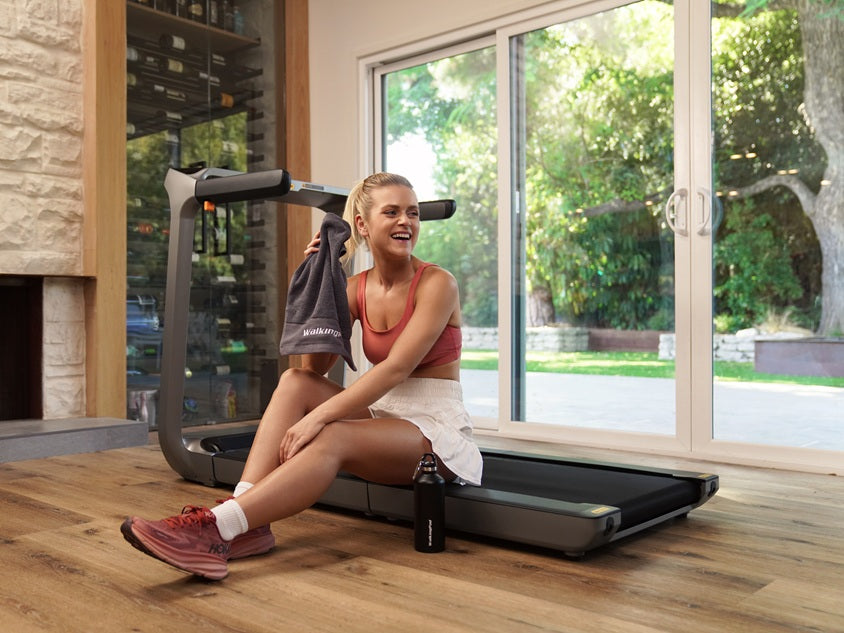
If you want to be able to train at any time of the day, even when it's raining or dark outside, view our range of treadmills for home. This way you stay in motion at a pace that suits you, and take your first steps today.