




The work-related costs scheme, often abbreviated as WKR, is a regulation that allows you as an employer to provide untaxed allowances and benefits to employees. The goal is to process allowances for work and certain extras in a practical way, without an employee paying wage tax on them.
What is the Work-Related Costs Scheme (WKR)?
The work-related costs scheme is a fiscal regulation that allows you as an employer to provide allowances, benefits and facilities to employees, without this always being seen as taxed wages. For example, you may reimburse costs related to work, and in some cases you may also reimburse matters from which an employee can have private benefit.
The core of the WKR is that you include certain costs in the regulation and work with discretionary scope. If the total designated allowances remain within that discretionary scope, they are untaxed. If you exceed the discretionary scope, you as employer pay final levy on the excess.
How does the Work-Related Costs Scheme (WKR) work for employers?
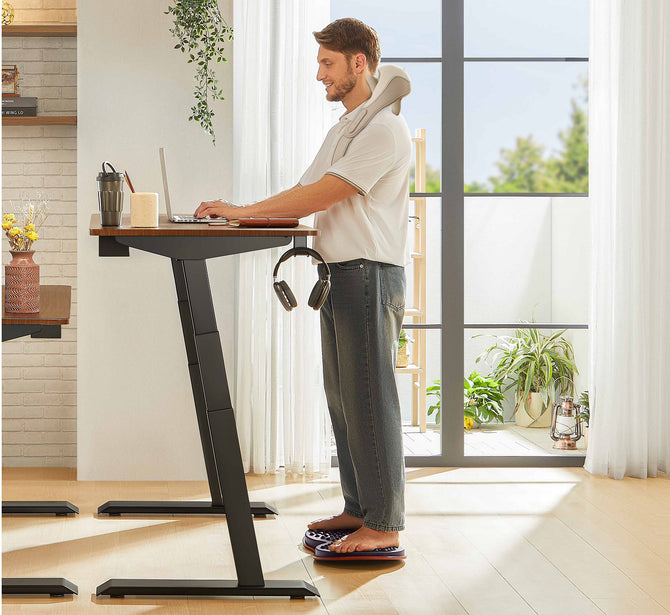
For employers, the WKR is mainly a way to arrange allowances and facilities clearly within payroll administration. You determine which allowances and benefits you want to provide, you assess whether they fall under an exemption or valuation, and you monitor whether you stay within the discretionary scope. This can involve classic allowances, but also modern forms of support, such as facilities that stimulate movement during work.
In practice you can apply the work-related costs scheme with a logical order. By maintaining these steps, you make clear what you include under the WKR and why.
- Designate: designate allowances, benefits and facilities as part of the work-related costs scheme, so it's clear what you include under the regulation, for example work equipment or vitality facilities.
- Test: check whether an allowance falls under a targeted exemption, or whether there's a nil valuation or application of the necessity criterion, because these components otherwise count towards the discretionary scope.
- Calculate and monitor: calculate the discretionary scope based on the total wage sum and track during the year how much scope is still available.
- Year-end check: check at the end of the year whether you stayed within the discretionary scope and take into account the final levy on the excess in case of exceedance.
What falls under the WKR?
Under the work-related costs scheme, different types of allowances, benefits and facilities can fall. This can involve costs directly related to work, but also extras that employers offer to support employees or show appreciation.
Common examples of matters that employers can include under the work-related costs scheme are the following categories.
- Work equipment: work-related means and materials, such as tools, tablets or smartphones, depending on the application and assessment by the employer.
- Travel and mobility: allowances for commuting and public transport subscriptions, when this fits within the applicable rules.
- Work and employability: allowances around work, such as certain meals during overtime or costs directly related to work agreements.
- Appreciation: gifts such as a Christmas package or a present, when this is customary within the organization.
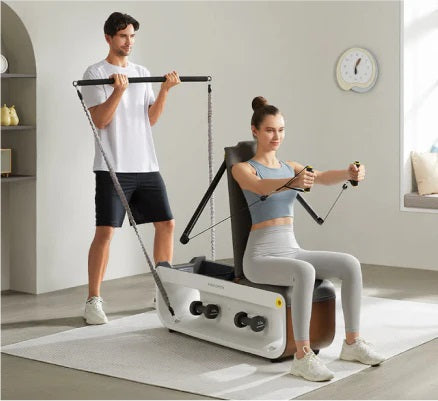
- Vitality: welfare facilities such as company fitness, a sports subscription or facilitating movement in the workplace with a compact treadmill, depending on the chosen arrangement and fiscal treatment.
The discretionary scope within the WKR
The discretionary scope is the part within the work-related costs scheme within which you as employer may provide untaxed allowances and benefits. The discretionary scope is calculated based on the total fiscal wage sum of all employees together. As long as the total amount of designated allowances and benefits remains within the discretionary scope, these are in principle untaxed for the employee.
- Discretionary scope 2026: 2.00% on the fiscal wage sum up to and including €400,000 and 1.18% on the part above €400,000.
- Note: the discretionary scope applies per calendar year; you cannot carry forward an unused part to the next year.
- Exceedance: if you spend more than the discretionary scope, you as employer pay 80% final levy on the excess.
Calculation example: with a fiscal wage sum of €500,000, the discretionary scope is 2.00% of €400,000 (= €8,000) + 1.18% of €100,000 (= €1,180) = €9,180. If you spend €12,000, the exceedance is €2,820 and the final levy amounts to 80% thereof: €2,256.
Example of the WKR in practice
An example often clarifies how the work-related costs scheme works. Suppose an employer offers various allowances and benefits during the year, such as a Christmas package, travel cost allowance and a contribution to vitality in the workplace.
In the table below you see a simplified example with amounts, so you can see the difference between costs that fall within the discretionary scope and costs that may not be at the expense of that discretionary scope. This example is intended as illustration, and the fiscal assessment may differ per situation.
| Facility or allowance | Indicative amount | How can this fall within the WKR? |
|---|---|---|
| Christmas package | €75 | Designate within discretionary scope, provided customary |
| Travel cost allowance | €0.23 per kilometer | Can fall under conditions under a targeted exemption |
| Sports subscription, company fitness or a treadmill for movement in the workplace | €500 per year | Depending on policy and application, often within discretionary scope or as workplace facility |
| Tablet or smartphone for work | €600 | Can fall under conditions under the necessity criterion |
| Coffee and tea in the workplace | €200 per year | Can fall under conditions under a nil valuation |
Short calculation (discretionary scope): suppose the fiscal wage sum is €300,000. Then the discretionary scope in 2026 is 2.00% of €300,000 = €6,000. If the employer spends a total of €6,500 on designated allowances within the discretionary scope, the exceedance is €500 and the final levy amounts to 80% thereof: €400.
This example shows how vitality facilities can be viewed in different ways within the WKR. In practice, organizations make their own choices here, for example by supporting movement in the workplace with a compact treadmill.
The goal of the WKR is that you as employer clearly establish in advance which costs you include under the regulation and that you monitor during the year how this relates to the discretionary scope.
Targeted exemptions
Targeted exemptions are allowances that are untaxed under conditions and do not come at the expense of the discretionary scope. This means that you as employer can reimburse certain costs without your discretionary scope becoming smaller, provided you meet the conditions that apply. In practice, this often involves costs directly related to work and that fall within clear frameworks.
- Travel costs and transport: this includes public transport tickets and the tax-free kilometer allowance (in 2025 and 2026: €0.23 per kilometer).
- Temporary accommodation and meals: for example, overnight stays during business trips and meals related to work (such as during overtime), provided the conditions are met.
- Training and professional development: courses, conferences and professional literature necessary for work (and in certain cases study/education).
- Other: relocations for work and costs for a certificate of conduct (VOG), if this falls within the rules.
It's important to check per allowance whether you meet the conditions, so you apply the exemption correctly.
The necessity criterion
For certain products, such as tools, tablets and smartphones, the necessity criterion can play a role. This criterion means that you as employer can provide these products tax-free when you consider them necessary for work. The starting point is that the choice lies with the employer, because you determine what's needed to perform the work well.
When the necessity criterion is applied, private use is in principle not decisive. It does remain important that you as employer can substantiate why a product is necessary and that you handle this consistently within your organization. In some organizations this can also be relevant for aids that support movement during work.
Nil valuations
Nil valuations are facilities that you as employer offer in the workplace and that are valued at €0 for the WKR. Therefore they are untaxed and do not come at the expense of the discretionary scope. This is especially relevant for facilities directly related to work or to the facilities in the workplace.
Examples of facilities with a nil valuation are provided work clothing, coffee and tea in the workplace and a fitness room in the workplace. The Tax Authority provides an overview in the Payroll Tax Manual of wages in kind for which a nil valuation can apply. It's wise to use this overview when arranging your policy, so you know which facilities you may value at €0 and which not.
What does the WKR mean for employees?
For employees, the work-related costs scheme mainly means that certain allowances and facilities can be offered without wage tax being paid directly on them. This can ensure that an extra facility, such as work equipment, an allowance or a form of vitality support, is offered more attractively. Think also of facilities that make movement during work possible.
Benefit work-related costs scheme employees:
- More net benefit: certain allowances/facilities can be offered (partly) untaxed, so you have more net benefit.
- Extras on top of salary: think of a budget or allowances you would otherwise pay yourself (e.g. bicycle, home working facilities, training or vitality offer).
- More choice and flexibility: some employers offer a choice budget or regulation with which you determine what fits your situation.
- Support of wellbeing and employability: for example ergonomics, sports/vitality facilities or facilities that stimulate movement during work.
- Convenience: the employer arranges the fiscal handling; you usually don't have to process this yourself.
Employees often notice the WKR in the form of a personnel budget, an allowance or a facility that fits work and wellbeing. Whether something is possible depends on the policy within the organization and on the fiscal treatment within the WKR. With questions about the possibilities within a company, it's logical to discuss this with HR or payroll administration.
Company fitness and the work-related costs scheme
Company fitness can play a role within the work-related costs scheme (WKR), but the fiscal treatment depends on how the facility is offered and whether it can (fiscally) be seen as workplace facility. In some situations company fitness can fall under conditions under a nil valuation (valuation €0). In other cases it's often processed via designation within the discretionary scope.
The WKR regulation in 2026 and beyond
The work-related costs scheme can change per year, for example through adjustments in the discretionary scope or through clarifications in rules and guidance. Therefore it's wise to check annually with policy around allowances and benefits whether there are changes that affect the application within your organization. This certainly applies when you actively use the WKR for vitality facilities or solutions that support movement in the workplace.
If you look ahead to the WKR regulation in 2026 and beyond, it's wise to follow developments via the Tax Authority and to seek advice from your payroll advisor in case of doubt. This way you keep your policy current and ensure that allowances and facilities are processed correctly.
From WKR policy to more movement during work
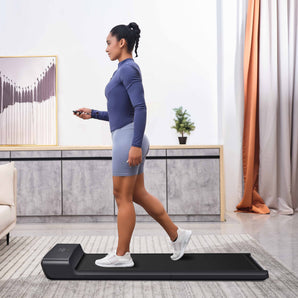
If you continue to use the WKR in 2026 and beyond for vitality, it helps to think in practical solutions that employees really use daily. An accessible way to make that concrete is to enable movement during work, for example with a treadmill you can use in the office.
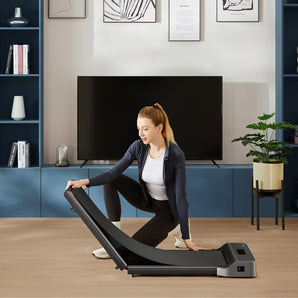
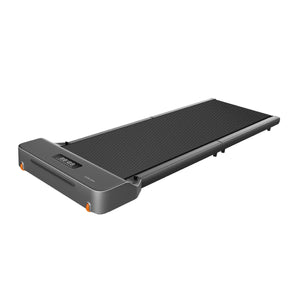
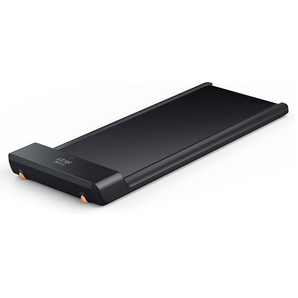
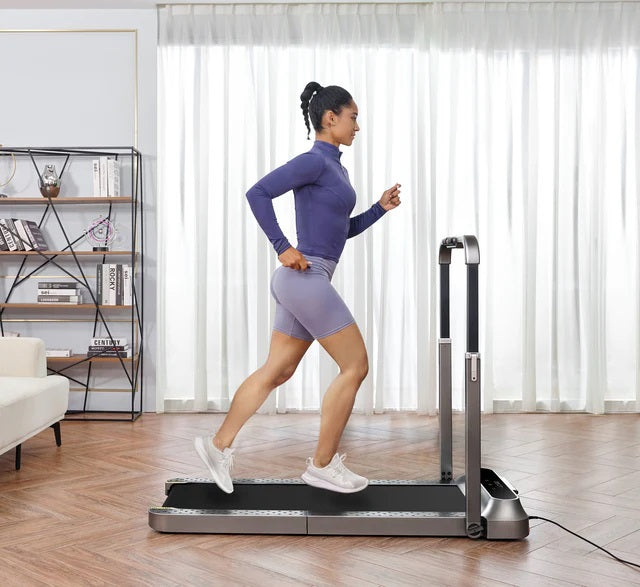
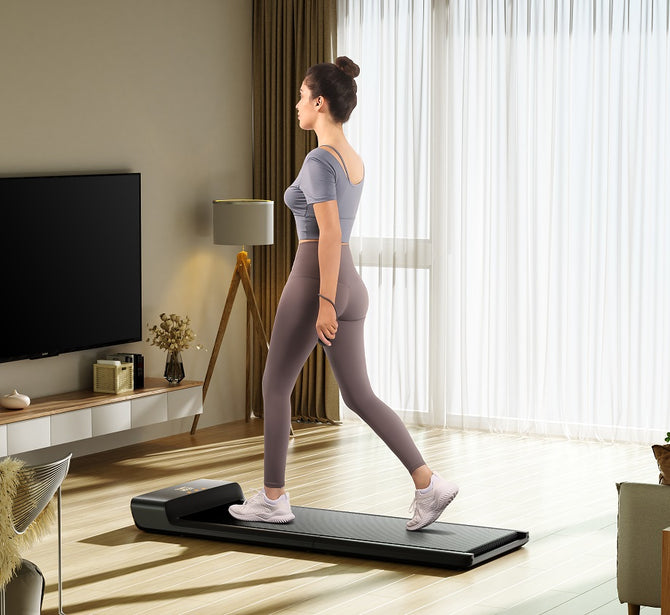
Think for example of a treadmill for under a desk, so employees take extra steps while continuing to work. WalkingPad is specifically designed for this: models intended for taking extra steps while working, with speeds that fit walking and light jogging (0.5–6 km/h) and that you easily store after use.
Practical advantage: many WalkingPads are designed as space-savers, foldable and often immediately ready for use without assembly. And if you want to make the bridge to more intensive training besides "movement during work": there are also treadmill models suitable for jogging/running, with higher speeds (up to 12–16 km/h, depending on the model).