



Moving more at the office is easier said than done. Between meetings, deadlines and emails, you quickly end up sitting in the same spot for hours on end. Dutch people sit an average of more than nine hours per day, and most of that falls during working hours. With the right adjustments, you can change that, without it costing you half your workday.
Why is moving at the office so important for your health?
According to research by TNO, prolonged sitting increases the risk of cardiovascular disease, type 2 diabetes and back problems. This also applies if you exercise regularly outside of working hours. The hours you sit uninterrupted pose a risk in themselves.
On the other hand, short moments of movement during your workday already make a difference. Your blood circulation gets going, your brain gets more oxygen and your muscles remain more flexible. You notice this in your concentration and energy level. Moving at the office doesn't have to be a workout. It's about regularly breaking up the sitting.
Move more behind your desk with smart tools
You don't have to leave your workspace to become more active. There are tools that help you integrate movement into your workday while you simply continue working.
Sit-stand desk
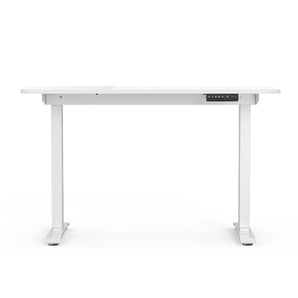
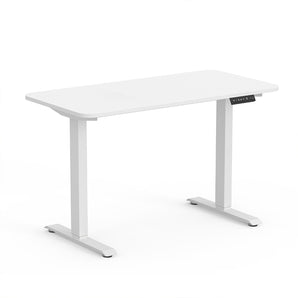
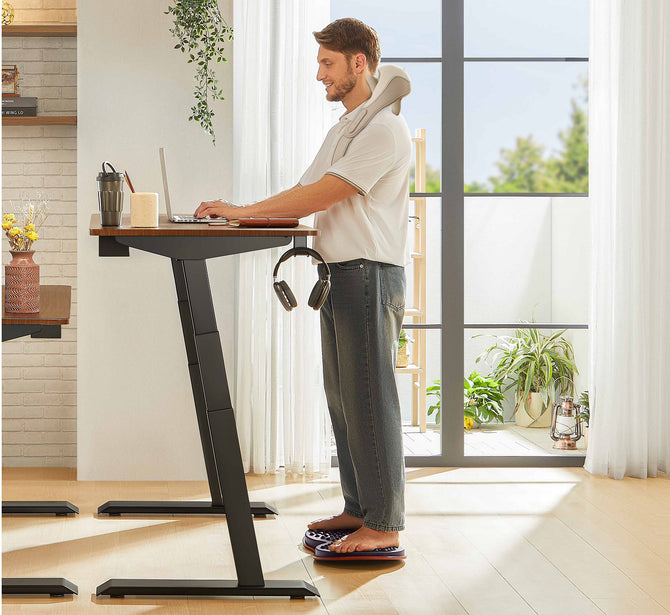
A sit-stand desk is a logical starting point. By alternating between sitting and standing every thirty minutes, you activate different muscle groups and improve your posture. Standing costs about twenty percent more energy than sitting, which adds up nicely over a whole workday. The WalkingPad Sit-Stand Desk is height-adjustable and fits in most workspaces, both at home and at the office.
Desk treadmill
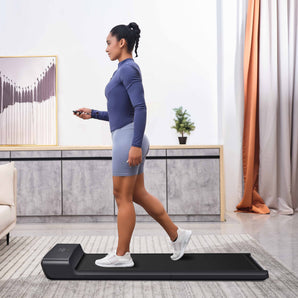
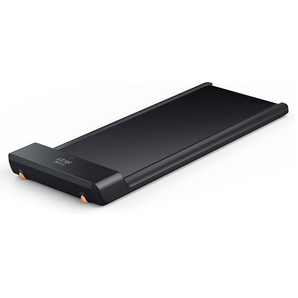
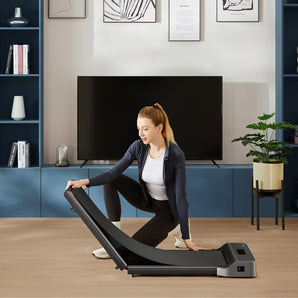
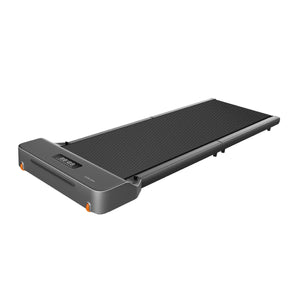
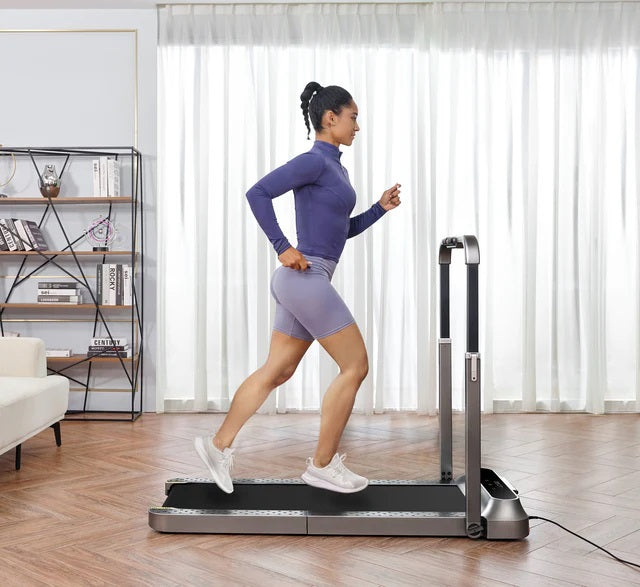
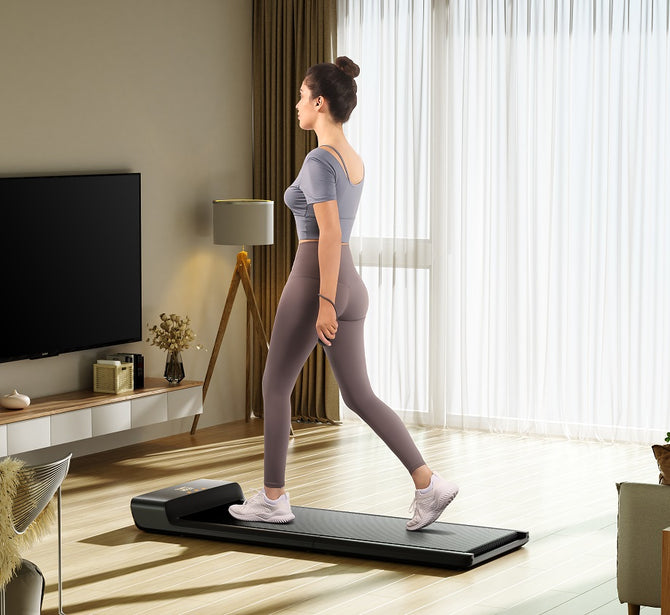
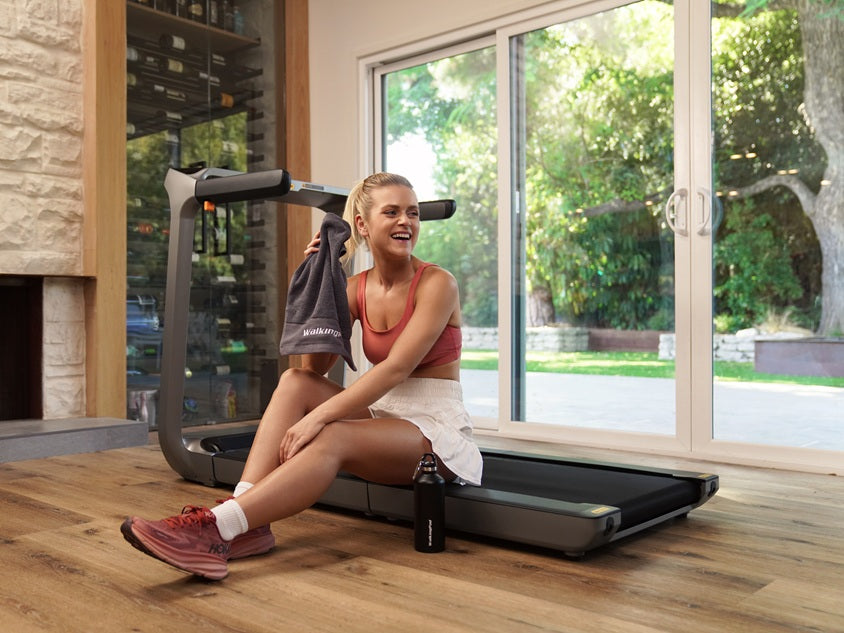
A step further than standing is walking behind your desk. With a desk treadmill, you walk quietly while answering emails or having a video call. Our walking treadmills are designed for use under a desk: they produce a maximum of 65 dB in walking mode (comparable to a normal conversation) and can be stored compactly after use. The WalkingPad A1 Pro and the WalkingPad Z1 fold up to ninety percent smaller thanks to the patented folding technology.
Balance board or sitting ball
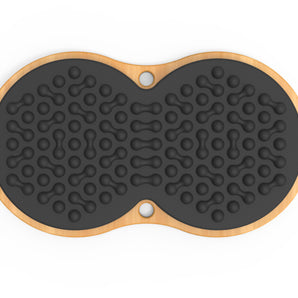
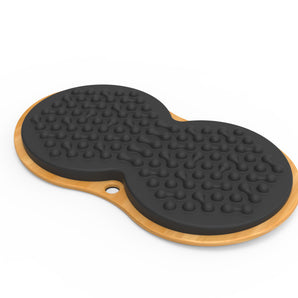
Not everyone can stand or walk all day, and that's not necessary either. A balance board or sitting ball turns your sitting moment into something active. You train your core muscles and work on your balance, while you simply sit behind your screen. The WalkingPad Balance Board works well in combination with a sit-stand desk. Alternate ten to fifteen minutes per hour and you'll notice the difference in your energy level.
Simple ways to move more in the workplace
In addition to tools, small adjustments in your daily routine help. It's often the simplest changes that yield the most over a whole workday.
Take the stairs instead of the elevator
Taking the stairs raises your heart rate and activates more muscles than walking on a flat surface. Do you work on a high floor? Then take the first few floors on foot and take the elevator for the rest. Adding one floor each month is a nice way to challenge yourself.
Walk to your colleague instead of emailing
For a quick question, it's tempting to send a message. But if you work in the same building, walk over to your colleague. Communication often goes faster, you get some extra steps and you maintain personal contact.
Walk during lunch break
Your lunch break is the best time to really get moving. A fifteen-minute walk helps your digestion, refreshes your mind and gives you energy for the afternoon. Go outside if you can. Fresh air enhances the effect and taking a colleague along makes it social.
Meet standing or while walking
Not every meeting has to be at a table. For a brief consultation with one or two colleagues, you can easily meet standing or walking. Standing meetings often proceed faster and walking stimulates your creative thinking. For a larger group or extensive agenda, a high standing table works as an alternative.
Moving at the office when working from home
Those who regularly work from home know the problem: you no longer walk to the train, have no colleagues to walk to and your kitchen is two steps away. The temptation to stay in the same place all day is great. That's precisely why it's important to consciously plan movement when working from home.
A compact walking treadmill fits well in a home working situation. You place it under your desk, walk quietly while you work and fold it up again afterwards. The WalkingPad A1 Pro is so compact that you can store it upright behind a door or under the couch. Combine it with a sit-stand desk and you have a workplace that keeps you moving all day.
No room for a walking treadmill? Then schedule fixed movement moments in your calendar. A morning walk before your first meeting, a lunch walk around the neighborhood, a stretch session at the end of the afternoon. By linking fixed times to it, it becomes a habit faster. A timer on your phone that reminds you every half hour to stand up also helps.
How to make office movement a daily habit
The difficulty lies not in knowing what to do, but in keeping it up. Therefore, start small. Choose one or two adjustments and stick to them for a few weeks before adding something.
A step counter helps to make your progress visible. The KS Fit app works together with our treadmills and lets you plan workouts and track results. A step challenge with colleagues also works well: make it a friendly competition and agree to achieve a certain number of steps per week together.
Also adjust your environment. Set your desk to standing height by default, put your sports shoes ready at the door or place your walking treadmill in a fixed spot. The lower the threshold, the greater the chance that you'll keep it up.
Fitness equipment at the office via the work costs scheme (WKR)
Employers can possibly purchase fitness equipment for the office tax-free via the work costs scheme. The WKR provides room to spend part of the wage bill tax-free on facilities for employees, such as a desk treadmill, sit-stand desk or balance board.
For employers, this is an interesting route to improve the vitality of the team. Healthier employees are more productive and less often sick. In our article about the work costs scheme and fitness equipment, you can read exactly how this works and which equipment qualifies.
At WalkingPad, we're happy to think along about the right solution for your office or home workplace. Feel free to contact us by phone, email or WhatsApp. Our customer service will help you further.